Gov't ramps up effort to promote Korean food in emerging markets
By Park Si-soo
The Food and Agriculture Ministry has joined forces with the state-run food business promoter to help exports by small and medium-sized food companies to enter emerging markets.
Toward that end, the two will lay the ground to facilitate easy access of food producers to information that will assist them to export their products with relative ease, according to officials of the ministry and the Korea Agro-Fisheries and Food Trade Corp. (aT). The information includes currency exchange rate and market trends, trade regulations and restrictions, if any, of importing nations, they said.

Seen above is Korea’s traditional fermented red pepper paste or “gochujang.”
“The lack of information about emerging markets has been considered the biggest difficulty facing small and medium-sized food exporters,” said Park Jong-seo, an aT executive in charge of the project. “The joint project will help boost exports of Korean food. In the long run, we will be able to provide tailored services of this kind to our customers.”
On top of this, aT will carry out extensive research in these countries to measure potential demand for the country’s traditional fermented red pepper paste or “gochujang” and citron tea. The two items already enjoy high demand in major Korean food-importing nations such as Japan.
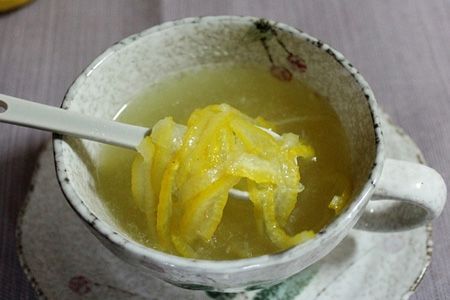
The picture is Citron tea. The Food and Agriculture Ministry plans to help manufacturers of the two products boost their exports to emerging markets. / Korea Times files
Meanwhile, the ministry will increase its subsidy to food companies to facilitate their independent market research and the development of new products and related marketing strategies.
Under the program, it will cover up to 70 percent of money used by authorized companies to hire specialists on overseas market researches. Another 70 percentage return will be given to those who carry out overseas product testing as part of efforts to develop new marketing and sales schemes. The ministry will also cover up to 70 percent of money paid to buy the latest market data and information from private agents.