Finding right integration manager is key
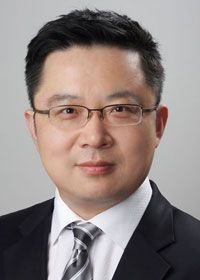
Woo Seung-do is a senior manager at Accenture Korea Management Consulting.
By Woo Seung-do
Integration Managers (IM) are now expected to directly address the challenges and own more of the decisions stemming from the changing nature of M&A. Likewise many chief executives are less apt to throw a merger at direct reports without having a trusted leader at the helm. While it is of course important that the IMs have the support of and maintain a close working relationship with the CEO and other members of the executive team, it is also important that they be able to arbitrate difficult decisions and be reasonably unafraid of ruffling feathers. It is typically more experienced senior leaders who possess the necessary strategic and financial acumen as well as execution management capabilities that allow them to work on both pre and post deal aspects and manage the variety of internal and external teams and specialists on both sides. This broader vision can allow them to better prevent the potential chaos that occurs during integration. With so many moving parts, events and decisions to be made, the IM needs to keep the team focused on the ultimate outcome while being able to make decisions quickly without panicking or creating additional churn.
Finding all of the skills in a single person is undoubtedly an exceptionally difficult challenge. Where such individuals exist, they are typically among a company's top performers and are already busy with a broad portfolio of management responsibilities. It may be difficult to motivate them to serve as an IM for one to three years with a simple promise of a good job afterward, especially for a role which is more difficult and 24/7/365.
Despite this, we have observed operations emerging as a natural place to find executives with the right portfolio of skills, due to their exposure to multiple aspects of the business across strategy, process, products, teams and IT. Some companies find the appropriate leaders from finance department, especially given their understanding of the financial synergies. Some may bring back a senior executive from retirement to fill the IM role; others companies may turn to chief administrative officers or heads of strategy. In any case, it is clear that naming a deep functional expert as IM can be problematic: Such specialization, while powerful within a function, may result in the IM's inability to understand the big picture and is almost by definition inconsistent with the end-to-end business perspective desired for this role.
Interestingly, the same caveat often applies to experts within a company's in-house corporate development team if it has been focused exclusively on pre deal work because such teams typically concentrate more on getting the deal closed than on planning and delivering integration activities or developing transformation strategies.